How Much Should Nigerian Businesses Spend on Digital Marketing in 2026?

“How much should we spend on digital marketing?”

This is the #1 question we hear from Nigerian business owners. The answer isn’t simple—because it depends on your revenue, industry, growth stage, and goals.

But here’s what we know after working with 100+ African businesses: Most companies either overspend on the wrong tactics or underspend and wonder why marketing “doesn’t work.”

This guide gives you specific budget frameworks based on where your business is right now.

The Industry Benchmark: 7-12% of Revenue

According to global marketing research, most companies spend 7-12% of annual revenue on marketing. For Nigerian businesses, we see three tiers:

Conservative (5-7%): Established businesses with steady growth
Standard (8-12%): Companies actively growing market share
Aggressive (15-20%): Startups and businesses in rapid expansion mode

Budget Framework by Business Stage

Startup (₦0-₦10M Annual Revenue)

Monthly Budget: ₦100,000 – ₦500,000
Focus: Getting first customers, proving product-market fit

Budget Allocation:

  • Website + hosting: 20%
  • Social media content: 30%
  • Paid advertising (Meta/Google): 35%
  • SEO foundation: 15%

Example ₦300,000 Monthly Budget:

  • ₦60,000: Professional website setup (one-time), then hosting
  • ₦90,000: Social media management + content creation
  • ₦105,000: Facebook/Instagram ads
  • ₦45,000: Basic SEO setup + blog writing

Expected Results:

  • 500-1,000 website visitors/month
  • 50-100 qualified leads
  • 5-15 new customers
  • Building organic presence for long-term growth

Small Business (₦10M-₦50M Annual Revenue)

Monthly Budget: ₦500,000 – ₦2M
Focus: Consistent lead generation, brand building

Budget Allocation:

  • Website optimization: 10%
  • Content marketing: 25%
  • Paid advertising: 40%
  • SEO: 15%
  • Email marketing: 10%

The Biggest Budgeting Mistakes

1. Spreading Too Thin

Wrong: ₦500,000 across 10 different tactics
Right: ₦500,000 focused on 3 high-impact channels

2. All Paid, No Organic

Paid ads are great for quick wins, but you need SEO and content for sustainable growth.

Better approach: 60% paid (short-term), 40% organic (long-term)

3. No Budget for Tools

Trying to do everything manually wastes more money in time than tools cost.

Minimum tools needed:

  • Email marketing: MailChimp/MailerLite
  • Social scheduling: Buffer/Hootsuite
  • Analytics: Google Analytics (free)
  • SEO: Ubersuggest/SEMrush

Sample Budget: ₦2M Monthly

Company: B2B services, ₦100M annual revenue

  • ₦600,000: Google Ads (search campaigns)
  • ₦300,000: LinkedIn Ads (targeting decision makers)
  • ₦400,000: SEO monthly service
  • ₦300,000: Content creation (2 blogs, 8 social posts, 1 video)
  • ₦200,000: Email marketing automation
  • ₦100,000: Tools + software
  • ₦100,000: Testing budget (new channels)

Expected monthly results:

  • 300-500 qualified leads
  • 40-70 sales opportunities
  • 15-25 new clients
  • ₦12-18M in new revenue
  • 6-9x ROI

The Bottom Line

Your digital marketing budget should be:

  1. Based on revenue (7-12% is standard)
  2. Aligned with goals (aggressive growth needs higher spend)
  3. Focused (3-5 channels maximum)
  4. Measurable (track every naira spent)
  5. Flexible (shift based on performance data)

Not sure how to allocate your budget for maximum ROI? Book a free marketing strategy session and we’ll build a custom budget plan for your business.

The Complete Guide to SEO for Nigerian Businesses in 2026

When your potential customers in Lagos search Google for solutions you offer, are they finding your competitors instead of you?

The reality is brutal: 75% of people never scroll past the first page of Google results. If you’re not ranking in the top 5 positions for your target keywords, you’re essentially invisible to the thousands of high-intent customers searching every day.

But here’s the good news: SEO for Nigerian and African markets has specific nuances that most businesses miss. Master these, and you can outrank even international competitors with bigger budgets.

Why SEO Is Different in African Markets

Google’s algorithm considers local context heavily. Ranking #1 in Lagos isn’t the same as ranking in London or Los Angeles. Here’s what makes African SEO unique:

1. Mobile-First is Non-Negotiable

80% of Nigerian web traffic comes from mobile devices. If your site isn’t mobile-optimized, Google penalizes you hard.

Action items:

  • Test your site on actual Nigerian networks (MTN, Glo, Airtel)
  • Optimize images to load fast on slow connections
  • Use AMP (Accelerated Mobile Pages) for blog content
  • Ensure tap targets are large enough for mobile users

2. Local Language Matters

While English is official, incorporating Nigerian English and local phrases improves rankings for local searches:

Instead of: “automobile repair shop”
Use: “mechanic near me”, “car repair Lagos”, “auto electrician Victoria Island”

3. Location-Specific Keywords Win

Don’t just target “digital marketing agency”—that’s too competitive and generic.

Target: “digital marketing agency Lagos”, “SEO services Nigeria”, “social media marketing Lekki”

The 7-Step SEO Strategy for Nigerian Businesses

Step 1: Technical SEO Foundation

Before anything else, fix these technical issues:

Site Speed
Google wants your site to load in under 3 seconds. Use tools like:

  • PageSpeed Insights to identify problems
  • Cloudflare CDN to speed up delivery
  • Image compression tools like TinyPNG
  • Remove unnecessary plugins and scripts

Mobile Usability

  • Responsive design that adapts to all screen sizes
  • Text readable without zooming
  • No horizontal scrolling
  • Fast-loading buttons and forms

HTTPS Security
Google requires HTTPS. Get a free SSL certificate from your hosting provider.

Step 2: Keyword Research for African Markets

Tools to use:

  • Google Keyword Planner (free)
  • Ubersuggest (affordable)
  • AnswerThePublic (question-based keywords)

Nigerian-specific keyword modifiers:

  • City names: Lagos, Abuja, Port Harcourt, Ibadan
  • Neighborhoods: Lekki, VI, Ikoyi, Ikeja, Yaba
  • “Near me” searches (huge on mobile)
  • “Best [service] in Nigeria”
  • “[Service] Nigeria” / “[Service] Naija”

Step 3: On-Page Optimization

Every page needs:

Title Tag (55-60 characters)
Example: “Best Digital Marketing Agency Lagos | CoreDigital”

Meta Description (150-160 characters)
Example: “Expert digital marketing services in Lagos. We help Nigerian businesses grow through AI automation, SEO, and social media. Book free consultation.”

Header Structure

  • H1: One per page (your main keyword)
  • H2: Section headings (include related keywords)
  • H3: Sub-sections

Content Quality

  • Minimum 1,000 words for service pages
  • 1,500-2,500 words for blog posts
  • Answer real questions your customers ask
  • Include Nigerian examples and case studies

Step 4: Local SEO Domination

Google Business Profile (formerly Google My Business)
This is crucial for local rankings:

  1. Claim your business at google.com/business
  2. Fill out every section completely
  3. Add 10+ high-quality photos
  4. Get reviews from real customers
  5. Post updates weekly

Real Results Timeline

Month 1-2: Technical fixes, keyword research, content creation
Month 3-4: Start seeing traffic increases (20-50%)
Month 5-6: Significant growth (100-200%+)
Month 7-12: Compound growth, ranking for competitive terms

Case Study: Lagos Real Estate Agency

Challenge: Zero organic traffic, 100% dependent on paid ads
Strategy: Local SEO + content targeting neighborhood-specific keywords
Timeline: 8 months
Results:

  • Ranking #1 for “estate agents Lekki”, “property for sale VI”
  • 3,500 monthly organic visitors (from 0)
  • 45 qualified leads per month from SEO
  • ₦8.2M in commissions from organic traffic

Getting Started Today

  1. Audit your current site using PageSpeed Insights
  2. Claim your Google Business Profile if you haven’t
  3. Do keyword research using Google Keyword Planner
  4. Write one high-quality blog post this week
  5. Track baseline metrics in Google Analytics

Need expert help ranking #1 for your target keywords? Book a free SEO strategy session with our team.

How Nigerian Businesses Are Using AI Marketing Automation to Reduce Costs by 60%

The digital marketing landscape in Nigeria is undergoing a radical transformation. While global brands have been using AI and marketing automation for years, African businesses are now discovering how these technologies can level the playing field and deliver exponential growth—even with limited budgets.

The Challenge Facing Nigerian Businesses

Most Nigerian SMEs and startups face the same critical challenges:

  • Limited marketing budgets compared to international competitors
  • Small teams wearing multiple hats
  • Slow follow-up times leading to lost leads
  • Manual processes that don’t scale
  • Difficulty tracking ROI across marketing channels

The traditional solution was to hire more people. But what if there was a smarter approach?

How AI Marketing Automation Works

AI-powered marketing automation uses machine learning and intelligent workflows to handle repetitive marketing tasks automatically. Here’s what it can do for your business:

1. Instant Lead Response

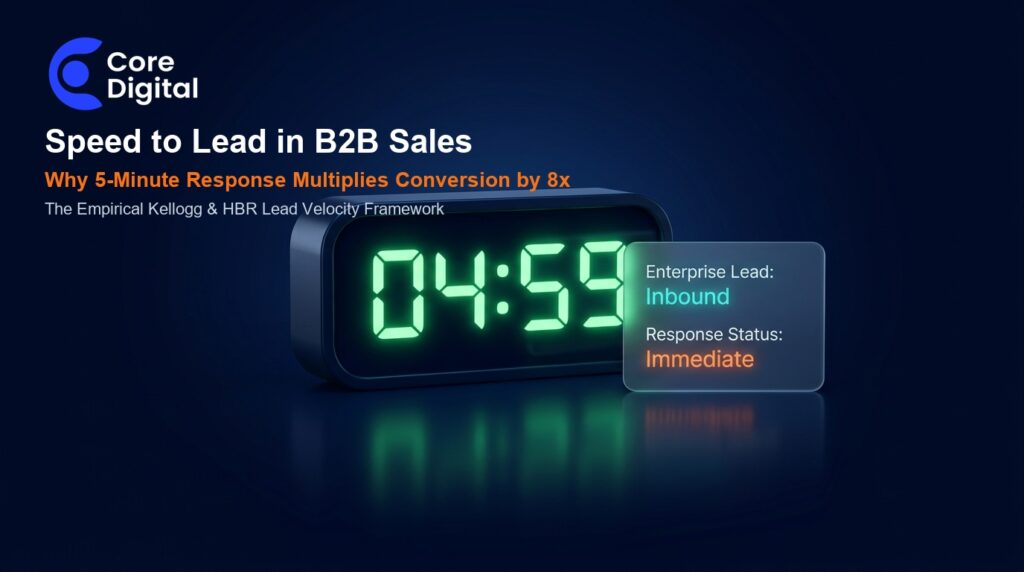
When a potential customer fills out a form on your website at 2 AM on Sunday, AI chatbots can instantly engage them, qualify their needs, and even book a sales call—while your team sleeps.

Lagos fintech startup PaySure implemented an AI chatbot and saw lead response time drop from 4 hours to 30 seconds. The result? 40% increase in qualified leads within 60 days.

2. Personalized Email Nurture Campaigns

Instead of sending the same generic email to everyone, AI automation tracks customer behavior and sends personalized content based on what each prospect actually does:

  • Downloaded a pricing guide? Send case studies showing ROI
  • Visited the features page 3 times? Send a product demo video
  • Abandoned their cart? Send a reminder with a limited-time offer

3. Intelligent Lead Scoring

Not all leads are created equal. AI analyzes hundreds of data points to score leads based on their likelihood to convert, so your sales team focuses on the hottest opportunities first.

Real Results from Nigerian Companies

Case Study: E-Commerce Retailer in Victoria Island

Challenge: 200+ daily website visitors but only 2% converting to sales
Solution: Implemented AI chatbot + abandoned cart automation
Results:

  • Cart abandonment reduced from 78% to 32%
  • Conversion rate increased to 8.5%
  • Monthly revenue up ₦2.8M

Case Study: B2B SaaS Company in Lekki

Challenge: Sales team overwhelmed with unqualified leads
Solution: AI lead scoring + automated qualification workflows
Results:

  • 60% reduction in time spent on poor-fit leads
  • Sales cycle shortened from 45 days to 28 days
  • Cost per acquisition down 55%

Getting Started with AI Marketing Automation

You don’t need a massive budget to implement AI automation. Here’s how to start:

Step 1: Identify Your Biggest Bottleneck

Where are you losing the most leads or wasting the most time? Common candidates:

  • Slow response to inquiries
  • Manual email follow-ups
  • Lead qualification
  • Appointment scheduling

Step 2: Start with One Use Case

Don’t try to automate everything at once. Pick your biggest pain point and solve it first:

  • For e-commerce: Start with abandoned cart recovery
  • For service businesses: Start with an appointment booking bot
  • For B2B: Start with lead nurture email sequences

Step 3: Choose the Right Tools

Popular AI automation tools that work well in Nigeria:

  • ChatGPT API for intelligent chatbots
  • HubSpot for full marketing automation (we’re partners!)
  • Zapier for connecting different tools
  • WhatsApp Business API for automated customer service

Step 4: Measure and Optimize

Track these metrics:

  • Response time improvement
  • Lead-to-customer conversion rate
  • Cost per acquisition
  • Time saved per week
  • Revenue impact

Common Mistakes to Avoid

  1. Making it too robotic: AI should enhance human connection, not replace personality
  2. Automating too early: Fix your messaging and strategy first, then automate
  3. Forgetting the human touch: Always have an easy way to reach a real person
  4. Not testing: A/B test your automated messages just like manual campaigns

The Future is Now

The Nigerian businesses thriving today aren’t necessarily the biggest or the oldest—they’re the ones leveraging technology to work smarter, not harder.

AI marketing automation isn’t just for tech giants anymore. It’s the competitive advantage that African SMEs need to compete globally while keeping costs sustainable.

Ready to automate your marketing and reduce costs while scaling growth? Book a free automation strategy call with our team.